Herbal tea · South Africa
Honeybush
South African shrub similar to rooibos but with natural honey-like sweetness and floral notes.

 How to brew
| Leaf | Water | Temperature | Time | Infusions | |
|---|---|---|---|---|---|
| Western | 3 g | 250 ml | 100°C / 212°F | 7 min | 3 |
About this tea
Honeybush (Cyclopia species), rooibos's lesser-known cousin, grows wild in South Africa's Eastern and Western Cape mountains. Named for honey-scented flowers that attract bees, this rare tea was nearly forgotten until recent cultivation efforts. Unlike rooibos's single species, honeybush includes 23 species, each offering unique flavors. Traditional harvest by local communities provides sustainable income while preserving fynbos biodiversity.
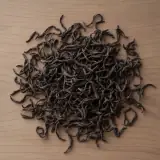
The woody shrubs grow slowly in nutrient-poor mountain soils, developing complex flavors. After harvesting, the leaves and stems undergo controlled fermentation similar to rooibos, developing the characteristic reddish-brown color and sweet flavor. The process concentrates natural sugars and reduces tannins. Quality honeybush shows even color with mixed leaves and stems. Different species offer varying sweetness levels.
The flavor profile is naturally sweet and floral: dominant honey notes with hints of apricot, vanilla, and wood. More complex than rooibos with fuller body and lingering sweetness. No bitterness or astringency even with long steeping. Some species taste more floral, others more fruity. The roasted versions develop caramel notes. The amber-red liquor looks inviting with sweet honey aroma.
Brewing recommendations: Use 1 heaping teaspoon (3g) per 250ml cup with boiling water (100°C/212°F). Steep 7 minutes or longer - it never becomes bitter. The natural sweetness means no sugar needed. Excellent with milk for caffeine-free 'tea lattes.' Makes superb iced tea with natural sweetness. Blends well with vanilla or cinnamon.
Completely caffeine-free with very low tannins, suitable any time. Contains unique antioxidants including mangiferin and hesperidin. South African households have brewed it for generations as an everyday cup. Safe for pregnancy and children. Sustainable wild harvesting supports local communities and conservation. Less known than rooibos but gaining recognition for superior flavor complexity. Perfect for those avoiding caffeine but wanting sophisticated flavor.
Caffeine, in context
Per 250 ml cup, brewed as directed.
Flavor profile
- honey
- floral
- naturally sweet
- smooth
Health benefits
- antioxidants
- cough relief
- bone health
Pairs wonderfully with
- biscotti
- honey cake
- fruit
- bedtime
You might also enjoy


Frequently asked questions
Can you re-steep Honeybush?
Yes — Honeybush gives 3 good infusions. Start at 420 seconds and add a little time to each round.
How much caffeine is in Honeybush?
0 mg per 250 ml cup — Caffeine-free.
What water temperature does Honeybush need?
100°C / 212°F. Hotter water pulls out bitterness; cooler water under-extracts the leaf.
Teafinity times every infusion for you
The app loads this tea's exact schedule, rings even in your pocket, and logs every session — free on iPhone and Android.