Black tea · Japan
Wakoucha
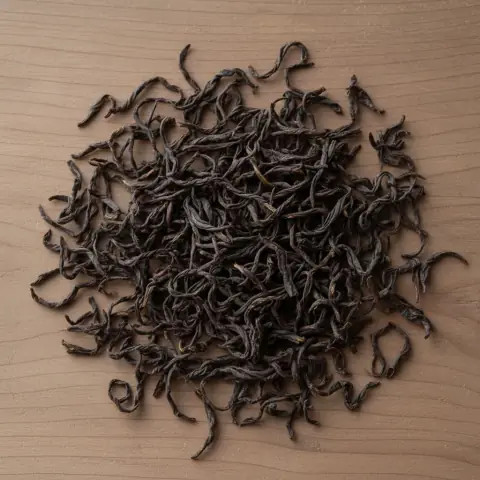
Japanese black tea with delicate sweetness and floral notes, crafted using Japanese cultivars and processing techniques.
 How to brew
| Leaf | Water | Temperature | Time | Infusions | |
|---|---|---|---|---|---|
| Western | 3 g | 200 ml | 90°C / 195°F | 2 min | 3 |
About this tea
Wakoucha (???), meaning 'Japanese black tea,' represents Japan's unique interpretation of black tea production. While Japan has been synonymous with green tea for centuries, black tea production began during the Meiji Restoration (1868-1912) when the government sought to create an export product valued in Western markets. Chinese tea specialists were initially invited to teach production techniques in 1874, and later Indian methods and Assam varietals were introduced. After decades of decline following import liberalization in 1971, wakoucha experienced a renaissance in the 1990s as Japanese tea farmers began crafting artisanal black teas for domestic appreciation.
What distinguishes wakoucha from other black teas is its use of Japanese tea cultivars - often the same varieties used for sencha, such as Yabukita, or cultivars developed specifically for black tea production like Benifuuki and Benihikari. These cultivars, combined with Japan's climate and soil conditions, create black teas unlike any other in the world. The processing involves withering leaves for 16-17 hours, rolling to promote oxidation, and careful drying.
The flavor profile is remarkably gentle and refined: natural honey sweetness without added sugar, subtle floral notes sometimes reminiscent of chrysanthemum, smooth body with very low astringency, and occasionally notes of ripened fruit or citrus. The liquor is typically a warm amber-red, lighter than Indian or Chinese black teas. Some wakoucha display notes of cacao, malt, or even a whisper of umami from the tea plant's green origins. The low tannin content means it pairs naturally with Japanese food and sweets.
Brewing recommendations: Use 3g per 200ml cup with water at 90°C (195°F) and steep for 2 minutes. Brewing parameters vary significantly - some producers recommend temperatures up to boiling (100°C) with shorter steep times (90 seconds), while others suggest lower temperatures (85°C) for more delicate results. The tea can yield 3-4 quality infusions when using higher leaf ratios and lower temperatures. Unlike robust Indian black teas, wakoucha is traditionally enjoyed without milk or sugar to appreciate its natural sweetness.
Best enjoyed in the morning or early afternoon due to its notable caffeine content. Pairs beautifully with traditional Japanese sweets (wagashi), light Western pastries, and Japanese cuisine. The gentle character makes it ideal for those who find typical black teas too strong or astringent. As Japanese tea culture increasingly embraces black tea, wakoucha represents the future of artisanal tea production in Japan.
Caffeine, in context
Per 250 ml cup, brewed as directed.
Flavor profile
- honey
- floral
- smooth
- naturally sweet
Health benefits
- antioxidants
- gentle energy
- relaxation
- digestion
Pairs wonderfully with
- wagashi
- light pastries
- honey
- Japanese sweets
You might also enjoy



Frequently asked questions
Can you re-steep Wakoucha?
Yes — Wakoucha gives 3 good infusions. Start at 120 seconds and add a little time to each round.
How much caffeine is in Wakoucha?
50 mg per 250 ml cup — Medium caffeine.
What water temperature does Wakoucha need?
90°C / 195°F. Hotter water pulls out bitterness; cooler water under-extracts the leaf.
Teafinity times every infusion for you
The app loads this tea's exact schedule, rings even in your pocket, and logs every session — free on iPhone and Android.