Herbal tea · Australia/Caribbean
Rosella (Sorrel)
Australian and Caribbean favorite made from hibiscus species, creating a ruby-red tea with tangy, cranberry-like flavor.
 How to brew
| Leaf | Water | Temperature | Time | Infusions | |
|---|---|---|---|---|---|
| Western | 4 g | 250 ml | 100°C / 212°F | 8 min | 1 |
About this tea
Rosella (Hibiscus sabdariffa), known as sorrel in the Caribbean and flor de Jamaica in Latin America, represents the same plant as hibiscus but with distinct cultural preparations. In Australia, wild rosella became bush tucker for indigenous peoples and settlers. Caribbean sorrel drink defines Christmas celebrations, spiced with ginger and cloves. Each culture developed unique traditions around this tart, ruby-colored plant, creating regional variations of essentially the same tea.
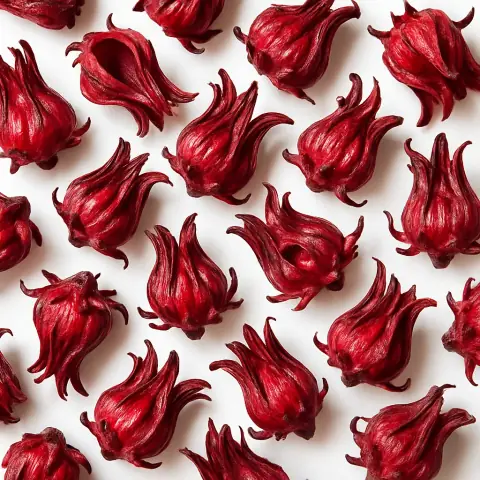
The fleshy calyces surrounding seed pods provide the edible portion. Caribbean preparations often include the entire pod for added pectin, creating thicker drinks. Australian rosella is typically harvested younger for jam-making, while tea uses mature calyces. The vitamin C content made it valuable for preventing scurvy during colonial times.
The flavor profile mirrors hibiscus but with cultural twists: Caribbean versions emphasize ginger and spice, Australian preparations highlight the pure tart flavor, while Mexican agua de jamaica is simply sweetened. The base flavor remains cranberry-like tartness with fruity depth. The spectacular color ranges from pink to deep burgundy depending on concentration.
Brewing recommendations: Use 1-2 tablespoons (4g) dried calyces per 250ml cup with boiling water (100°C/212°F). Steep 8 minutes for hot tea, longer for traditional concentrates. Caribbean style: add ginger, cloves, and cinnamon while steeping, sweeten generously, often with rum added. Australian style: pure with native honey. Mexican style: cold-brewed overnight with sugar.
Every bit as tart and ruby-bright as hibiscus, because it is the same plant. The Caribbean tradition of Christmas sorrel pairs it with the richest food of the year. In Jamaica, it is above all a drink of celebration. The festive color and cultural associations make it perfect for celebrations. Children love the sweetened versions. The versatility allows adaptation to any taste preference.
Caffeine, in context
Per 250 ml cup, brewed as directed.
Flavor profile
- tart
- cranberry-like
- tangy
- refreshing
Health benefits
- vitamin C
- blood pressure support
- antioxidants
- cooling
Pairs wonderfully with
- ginger
- sugar
- rum (Caribbean style)
- Christmas pudding
You might also enjoy

Frequently asked questions
Can you re-steep Rosella (Sorrel)?
No — Rosella (Sorrel) gives one infusion. Use fresh leaf for the next cup.
How much caffeine is in Rosella (Sorrel)?
0 mg per 250 ml cup — Caffeine-free.
What water temperature does Rosella (Sorrel) need?
100°C / 212°F. Hotter water pulls out bitterness; cooler water under-extracts the leaf.
Teafinity times every infusion for you
The app loads this tea's exact schedule, rings even in your pocket, and logs every session — free on iPhone and Android.