Herbal tea · Mediterranean
Milk Thistle
Liver-supporting herb with slightly bitter taste, traditionally used for detoxification.
 How to brew
| Leaf | Water | Temperature | Time | Infusions | |
|---|---|---|---|---|---|
| Western | 2 g | 250 ml | 100°C / 212°F | 15 min | 1 |
About this tea
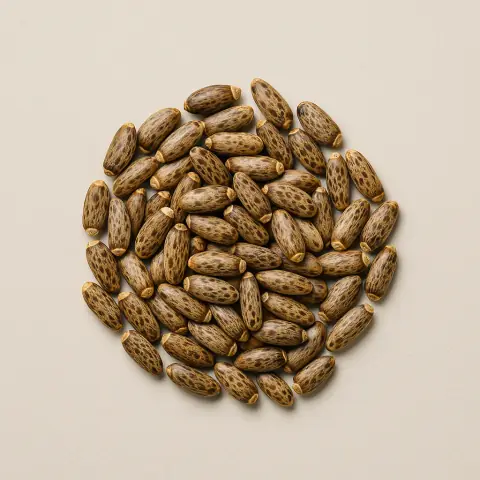
Milk thistle (Silybum marianum), named for white veins legend says came from Virgin Mary's milk, has been cultivated in Europe for 2,000 years. Roman naturalist Pliny noted its value for 'carrying off bile.' This spiny plant's seeds contain silymarin, the compound that made its reputation. The purple flowers attract goldfinches who spread seeds enthusiastically.
The seeds develop after flowering, requiring careful harvest from spiny heads. The hard seeds need grinding to release silymarin. Quality milk thistle shows dark, shiny seeds with mild nutty smell. Pre-ground loses potency quickly. The leaves can be used but contain less silymarin. Standardized extracts concentrate active compounds more than tea.
The flavor profile is mildly bitter and nutty: similar to weak coffee with earthy undertones. There's slight astringency but not unpleasant bitterness. The ground seeds add textural interest. Some detect subtle sweetness beneath the earthiness. The pale brown liquor resembles weak coffee with mild aroma. Not a pleasure tea, but an acquired taste worth the effort.
Brewing recommendations: Grind 1 teaspoon (2g) seeds immediately before use. Pour boiling water (100°C/212°F) and steep 15 minutes. The hard seeds need time to release compounds. Can simmer ground seeds 10 minutes for stronger extraction. Often combined with dandelion, burdock, or peppermint, which soften its bitterness.
A herb with a long European reputation, drunk today mostly by people who enjoy its dark, nutty bitterness. Safe for most people but can cause mild digestive upset initially. Not recommended during pregnancy. If you have a medical condition, speak to your doctor before drinking it regularly.
Caffeine, in context
Per 250 ml cup, brewed as directed.
Flavor profile
- slightly bitter
- earthy
- vegetal
- mild
Health benefits
- liver support
- detox
- antioxidants
- regeneration
Pairs wonderfully with
- lemon
- dandelion blend
- morning routine
- detox programs
You might also enjoy


Frequently asked questions
Can you re-steep Milk Thistle?
No — Milk Thistle gives one infusion. Use fresh leaf for the next cup.
How much caffeine is in Milk Thistle?
0 mg per 250 ml cup — Caffeine-free.
What water temperature does Milk Thistle need?
100°C / 212°F. Hotter water pulls out bitterness; cooler water under-extracts the leaf.
Teafinity times every infusion for you
The app loads this tea's exact schedule, rings even in your pocket, and logs every session — free on iPhone and Android.