Pu-erh tea · Yunnan, China
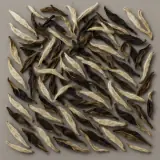
Menghai 7542
The benchmark sheng pu-erh recipe from 1975, considered the gold standard for raw pu-erh aging.

 How to brew
| Leaf | Water | Temperature | Time | Infusions | |
|---|---|---|---|---|---|
| Western | 3 g | 250 ml | 90°C / 195°F | 40 s | 4 |
| Gong Fu | 6 g | 100 ml | 90°C / 195°F | 10 s + | 15 |
About this tea
Menghai 7542 represents the most important recipe in pu-erh history, created in 1975 at Menghai Tea Factory and becoming the benchmark against which all raw pu-erh is measured. The recipe code reveals its DNA: '75' marks the year of creation, '4' indicates fourth-grade leaves (a balanced mix), and '2' designates Menghai factory. This isn't just a tea - it's a living standard that defines quality raw pu-erh.
The blend uses a precise ratio of leaves from different grades and ages, creating remarkable consistency across decades of production. The recipe combines smaller tips for immediate sweetness, medium leaves for body, and larger leaves for aging potential. This deliberate composition creates a tea that drinks well young yet transforms magnificently over decades. Each yearly batch becomes a vintage, with collectors tracking specific years like wine vintages.
The flavor profile evolves predictably through aging stages: young 7542 (1-3 years) shows bright astringency, smoke, and hay with stone fruit hints. At 5-10 years, bitterness mellows to sweetness with developing honey and dried apricot notes. 15-20 year old examples achieve balance with leather, herbs, and camphor emerging. Vintage 7542 from the 1980s-90s commands astronomical prices for its transcendent complexity.
Brewing recommendations: Use 1 teaspoon (5g) per 250ml cup with water at 90°C (195°F), steeping 40 seconds to manage young tea's intensity. For gongfu style, use 7g per 100ml, rinse once, then steep 15-20 seconds initially. Can yield 15-20 infusions. As it ages, water temperature can increase to 95-100°C.
Best experienced through comparative tasting of different years to understand aging progression. Young 7542 pairs with nuts and light meals, while aged versions are best savored alone. This is the teaching tea - understanding 7542 means understanding pu-erh. Many consider it the perfect introduction to raw pu-erh aging, as its consistent recipe allows clear observation of time's effects. The secondary market for verified vintage 7542 is robust, making it both beverage and investment.
Caffeine, in context
Per 250 ml cup, brewed as directed.
Flavor profile
- balanced
- slightly smoky
- apricot
- hay-like
Health benefits
- antioxidants
- energy
- metabolism
- mental clarity
Pairs wonderfully with
- light meals
- nuts
- dried fruit
- Chinese pastries
You might also enjoy


Frequently asked questions
Can you re-steep Menghai 7542?
Yes — Menghai 7542 gives 15 good infusions. Start at 10 seconds and add a little time to each round.
How much caffeine is in Menghai 7542?
38 mg per 250 ml cup — Medium caffeine.
What water temperature does Menghai 7542 need?
90°C / 195°F. Hotter water pulls out bitterness; cooler water under-extracts the leaf.
Teafinity times every infusion for you
The app loads this tea's exact schedule, rings even in your pocket, and logs every session — free on iPhone and Android.